

Best Criminal Advocate in Supreme Court: What Really Decides Your Case at the Final Stage
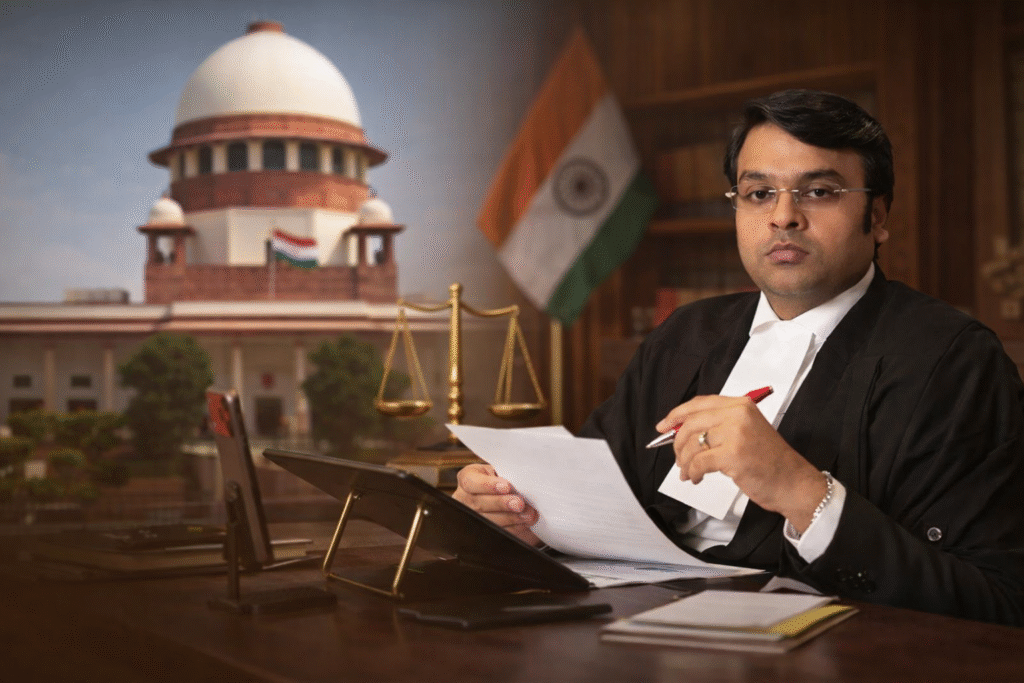
When a Legal Battle Reaches Its Peak there’s a quiet shift that happens when a case reaches the Supreme Court. It’s no longer just about “winning” or “losing” in the usual sense. It feels heavier than that. The stakes are personal your reputation, your future, sometimes even your freedom. At this point, choosing the Best Criminal advocate in Supreme Court isn’t just another step. It becomes one of the most important decisions you’ll make in the entire journey. Because here, things work differently.
Why the Supreme Court Demands a Different Mindset
If you’ve already been through lower courts, you might expect a similar process. But the Supreme Court doesn’t function that way. It’s not interested in re-examining every small detail. Instead, it looks at whether something fundamentally went wrong whether the law was misapplied, or justice wasn’t properly served. Most cases reach here through something called a Special Leave Petition (SLP), which is only accepted if there’s a serious legal issue or miscarriage of justice. That changes everything.
Your lawyer isn’t just presenting facts anymore they’re presenting interpretations.
What Sets the Best Criminal Advocate Apart
Not every lawyer is built for this stage. And that’s not a criticism it’s just reality.
The Best Criminal advocate in Supreme Court usually brings a very specific mix of skills.
1. Thinking Beyond the Obvious
It’s not about repeating what’s already been said in lower courts. It’s about finding what was missed.
2. Strong Command Over Appeals
Supreme Court cases often revolve around appeals. That means carefully breaking down earlier judgments and identifying where they went wrong.
3. Precision in Arguments
Long arguments don’t impress here. Clear, focused, and legally strong points do.
4. Understanding Court Dynamics
Every court has its rhythm. The Supreme Court has its own and experienced advocates know how to adapt to it.
The Work That Happens Before You Even Step Into Court
Most people imagine intense courtroom debates. Honestly, most of the hard work is done long before the hearing.
A strong case is built quietly through:
- Detailed case review: Going through past orders and spotting inconsistencies
- Careful drafting: Petitions must meet strict standards
- Legal research: Finding judgments that support your position
- Strategy planning: Deciding what matters most
In fact, a well-prepared case often feels “half won” before the hearing even begins.
A Real-World Situation You Might Relate To
Let’s say someone is caught in a complicated criminal matter maybe a financial dispute that spiraled into allegations.
They fight the case at the trial level. Things don’t go their way.They approach the High Court. Same result.
At this point, most people feel stuck. And understandably so.
But sometimes, the issue isn’t the case it’s how the case has been presented.
With the right approach at the Supreme Court level:
- Misinterpretations in earlier judgments can be challenged
- Procedural mistakes can be highlighted
- Legal grounds can be reframed
And suddenly, the case starts moving in a different direction.
Same facts.Different strategy.
Why Early Legal Support Still Matters
Even though the Supreme Court sits in Delhi, most cases don’t begin there.
Many individuals first consult a best criminal lawyer in chandigarh or experienced Criminal advocate in delhi, especially for trial or High Court proceedings.
And this early stage matters more than people think.
Because:
- The way evidence is handled early on shapes future appeals
- Proper documentation becomes critical later
- Mistakes at the beginning can become difficult to fix
A strong foundation makes a stronger Supreme Court case.
Challenges You Should Be Ready For
The Supreme Court is not an easy forum no matter how strong your case is.
Some common challenges include:
- Strict rules for admitting cases
- Limited scope to re-examine evidence
- Highly technical procedures
- Close scrutiny by judges
That’s exactly why experience becomes so important at this stage.
If Your Case Might Reach the Supreme Court
If you sense that your case could escalate, don’t wait until the last moment.
A few practical steps can help:
Start Early
Even a single consultation at the right time can change your approach.
Keep Everything Organized
Documents, orders, evidence everything should be easy to access.
Be Completely Honest
Small details you ignore might become important later.
Stay Focused on Strategy
Emotional decisions rarely help in legal matters.
Choosing the Right Legal Direction
At this level, hiring a lawyer isn’t just about credentials it’s about trust and clarity.
Whether you begin with criminal lawyers in chandigarh or directly approach someone practicing in Delhi, the objective remains the same:
To present your case in the strongest possible way.
Because the Supreme Court doesn’t just hear cases it shapes outcomes that can change lives.
The Human Side No One Talks About Enough
Behind every case file, there’s a person dealing with uncertainty.
The waiting.
The overthinking.
The constant “what if.”
It’s not easy.
And a good lawyer understands that.
They don’t just argue your case they help you stay steady through the process.
Conclusion
Reaching the Supreme Court can feel overwhelming. But it’s not the end it’s another opportunity.
An opportunity to look at your case differently.
An opportunity to correct what may have gone wrong earlier.
With the right approach and the Best Criminal advocate in Supreme Court even complex cases can take a new turn.
If you’re facing such a situation, don’t delay. The earlier you act, the better your chances.
Because at this stage, every step matters and every decision carries weight.